
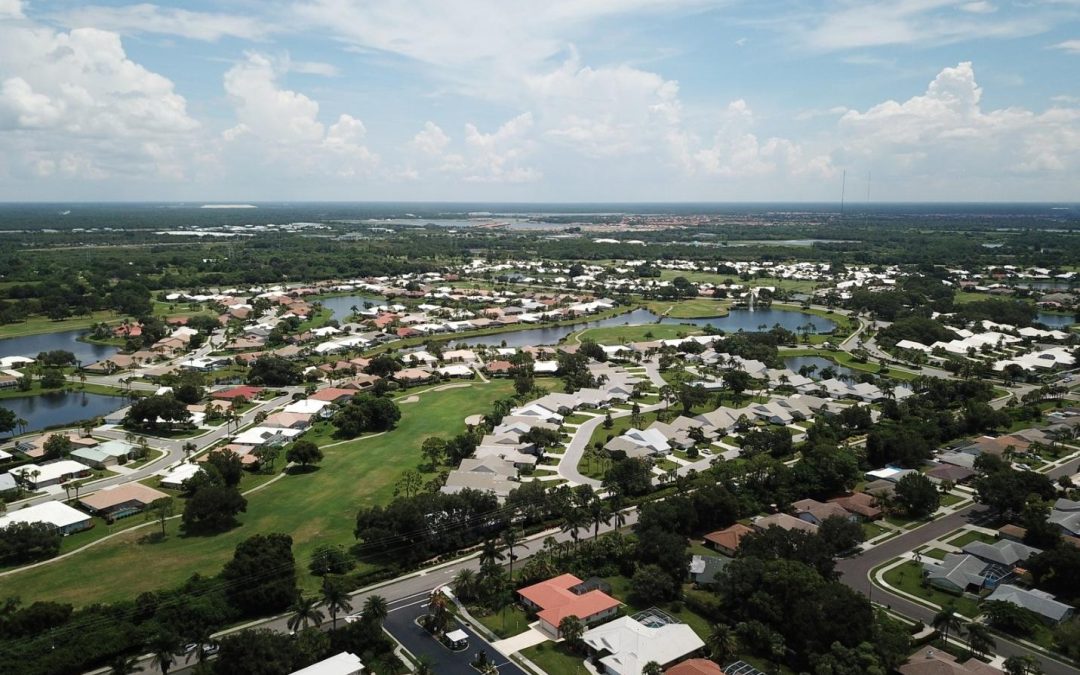
Stormwater ponds are among the most important—and often most overlooked—assets within a community. Whether serving a homeowners association (HOA), condominium association, community development district (CDD), golf course, commercial property, or municipality, these systems play a critical role in managing runoff, reducing flooding, improving water quality, and protecting downstream waterways.
Unfortunately, many property owners and managers don’t realize a stormwater pond has a problem until they receive complaints from residents, experience flooding, or face a costly repair project.
The good news is that most stormwater pond issues develop gradually and provide warning signs long before they become major capital expenses.
Here are seven common indicators that your stormwater pond may need maintenance or further evaluation.
1. Excessive Sediment Accumulation
One of the primary purposes of a stormwater pond is to capture sediment before it reaches downstream water bodies. Over time, however, that sediment builds up within the pond itself.
As sediment accumulates, the pond gradually loses storage capacity and becomes less effective at managing stormwater.
Common signs of sediment accumulation include:
- Shallow areas developing around pond edges
- Mud flats becoming visible during dry periods
- Increased aquatic vegetation growth
- Reduced pond depth
- Water appearing cloudy after rainfall events
Sediment accumulation is normal, but excessive buildup can eventually require dredging to restore the pond’s intended function.
Why It Matters
When a pond loses storage capacity, it may no longer be able to manage stormwater as originally designed. This can increase the risk of localized flooding and place additional stress on surrounding infrastructure.
2. Eroding Shorelines
Shoreline erosion is one of the most visible stormwater pond problems.
While some minor erosion may seem cosmetic, it often indicates larger issues affecting the stability of the pond bank.
Warning signs include:
- Exposed roots
- Undercutting along the waterline
- Bare soil along slopes
- Small slumps or soil failures
- Sediment washing into the pond
Shoreline erosion can be caused by several factors, including wave action, fluctuating water levels, poor drainage, inadequate vegetation, or concentrated stormwater flows.
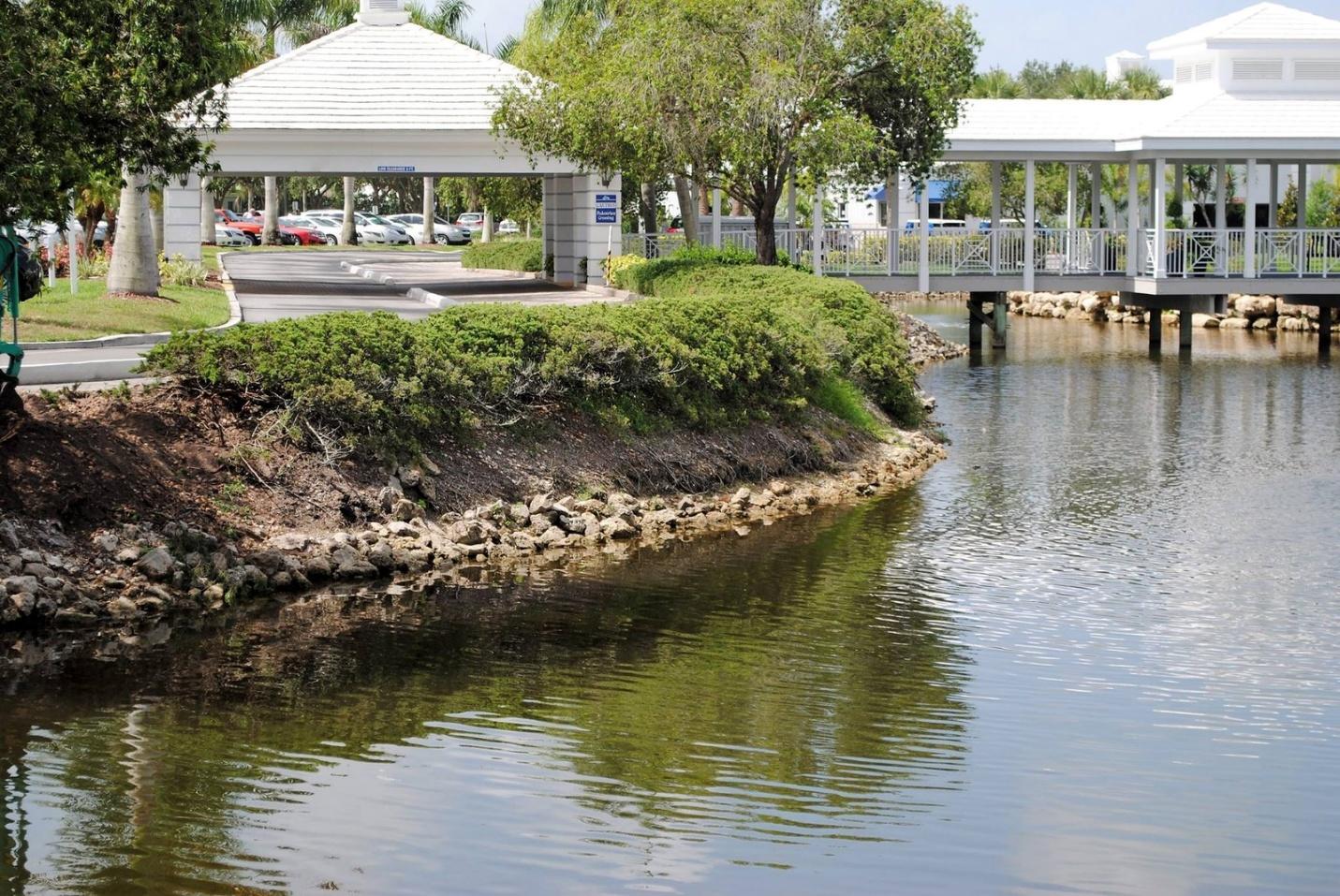
Continued erosion is exacerbating the steepness of the slope, working it’s way back towards roadway infrastructure.
Why It Matters
Left unaddressed, erosion typically worsens over time and can eventually threaten nearby infrastructure, walking paths, utilities, landscaping, or property boundaries.
3. Standing Water in Swales and Drainage Areas
Stormwater systems are designed to move water efficiently through a network of pipes, structures, inlets, and swales.
If water remains standing for extended periods following rainfall, it may indicate:
- Blocked drainage structures
- Sediment accumulation
- Improper grading
- Pipe damage
- Restricted outfalls
Many communities overlook these symptoms because they develop gradually.
Why It Matters
Poor drainage performance can contribute to turf damage, mosquito concerns, resident complaints, and premature infrastructure deterioration.
4. Excessive Aquatic Vegetation Growth
Some aquatic vegetation is beneficial and contributes to water quality and habitat value. However, excessive vegetation growth can indicate underlying maintenance issues.
Examples include:
- Dense algae blooms
- Expanding cattail populations
- Floating vegetation covering large portions of the pond
- Excessive weed growth in shallow areas
These conditions are often associated with nutrient loading and sediment accumulation.
Why It Matters
Uncontrolled vegetation can reduce water storage volume, impair aesthetics, and contribute to long-term maintenance challenges.
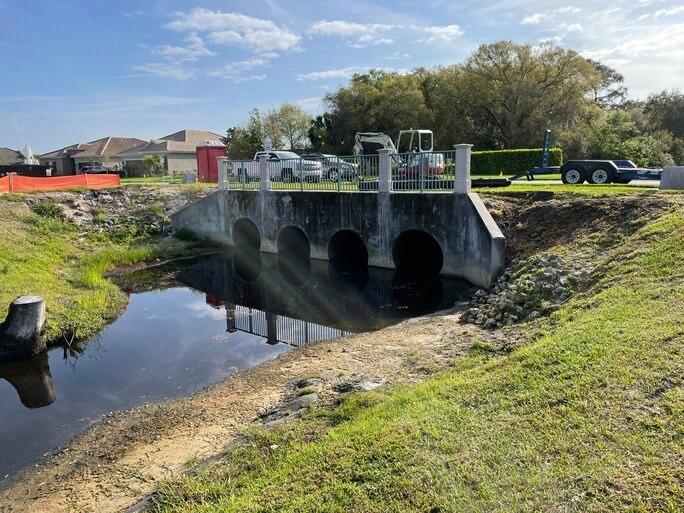
5. Deteriorating Control Structures
Every stormwater pond contains structures that regulate water levels and discharge rates.
Depending on the system, these may include:
- Riser structures
- Weirs
- Outfall pipes
- Control boxes
- Catch basins
- Culverts
Signs of deterioration may include:
- Cracked concrete
- Corrosion
- Settlement
- Structural movement
- Blockages
- Missing components
Why It Matters
Control structures are critical to the pond’s performance. Failure of these components can lead to flooding, erosion, or regulatory concerns.
6. Sinkholes, Depressions, or Unusual Settlement
Depressions developing around ponds or drainage infrastructure should never be ignored.
Potential causes include:
- Pipe failures
- Soil piping
- Improper compaction
- Structural deterioration
- Animal activity
While some depressions may be minor, others can indicate significant underground issues.
Why It Matters
Early investigation is often far less expensive than waiting for a complete infrastructure failure.
7. Frequent Resident Complaints
Property managers and board members often receive valuable early warning signs from residents.
Common complaints include:
- Standing water
- Erosion
- Pond odors
- Mosquito activity
- Flooding after storms
- Declining aesthetics
Although individual complaints may seem isolated, patterns often reveal underlying maintenance needs.
Why It Matters
Addressing concerns early can improve community satisfaction while preventing more expensive repairs in the future.
The Value of Regular Stormwater Inspections
One of the most effective ways to protect a community’s stormwater assets is through routine inspections.
Regular inspections can help identify:
- Sediment accumulation
- Shoreline erosion
- Drainage deficiencies
- Structural concerns
- Maintenance priorities
- Budget planning needs
More importantly, inspections allow property owners and managers to address issues proactively rather than reactively.
Don’t Wait for a Failure
Stormwater ponds are infrastructure assets, not landscape features. Like roads, utilities, and buildings, they require periodic inspection and maintenance to perform as intended.
Many of the most expensive stormwater repairs begin as relatively minor issues that go unnoticed for years.
By recognizing the warning signs early, communities can often extend the life of their infrastructure, improve system performance, and reduce long-term costs.
Need Help Evaluating Your Stormwater Pond?
Landshore Enterprises provides stormwater inspections, shoreline assessments, bathymetric surveys, engineering evaluations, dredging services, and shoreline restoration solutions throughout Florida.
If you’re concerned about the condition of your pond or drainage infrastructure, our team can help identify potential issues and develop practical solutions tailored to your property.