
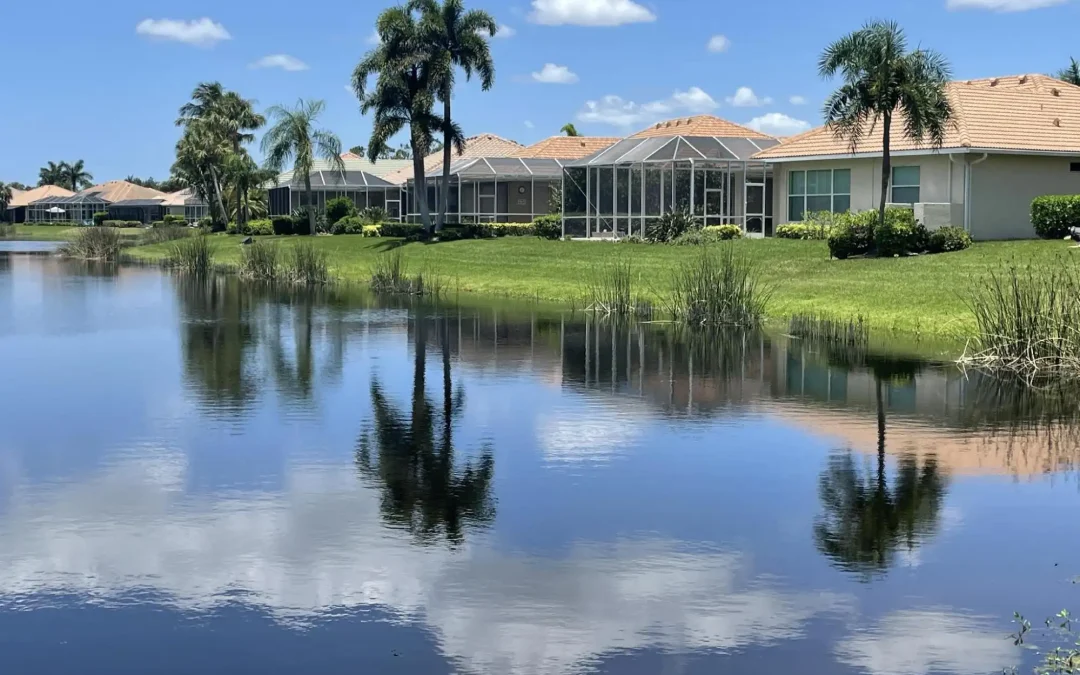
Stormwater ponds are one of the most important infrastructure assets in many Florida communities. They help manage stormwater runoff, reduce flooding, improve water quality, and protect surrounding properties.
But for many homeowners associations, condominium associations, and community managers, ponds are often treated more like landscape features than infrastructure systems.
That can become expensive.
A pond may look calm on the surface while sediment is accumulating below, shorelines are eroding, pipes are deteriorating, or control structures are becoming blocked. By the time residents notice flooding, sinkholes, slope failures, or declining water quality, the issue may already require a major repair.
This guide explains what HOA boards and property managers should know about pond and shoreline maintenance, what warning signs to watch for, and how to plan ahead before small issues become costly capital projects.
Why Stormwater Ponds Matter in Florida Communities
In Florida, stormwater ponds are commonly designed to collect, store, treat, and discharge stormwater runoff from roads, roofs, driveways, parking areas, sidewalks, and landscaped areas.
When functioning properly, these systems help:
- Reduce localized flooding
- Capture sediment before it reaches downstream waterways
- Improve water quality
- Manage stormwater discharge rates
- Protect surrounding infrastructure
- Support community aesthetics and property values
The South Florida Water Management District notes that flood control is a shared responsibility among public agencies, local drainage districts, homeowners associations, and residents. That means private communities often play a direct role in keeping their own drainage systems functioning properly.
Helpful resource: SFWMD Flood Control and Shared Responsibility
The Difference Between Pond Maintenance and Pond Repair
One of the biggest mistakes communities make is waiting until a pond has failed before taking action.
There is an important difference between maintenance and repair.
Routine Maintenance
Routine maintenance includes ongoing activities such as:
- Removing debris from pipes and control structures
- Maintaining vegetation
- Repairing minor erosion
- Inspecting outfalls
- Monitoring sediment buildup
- Keeping swales and drainage paths clear
- Maintaining access for inspection and equipment
Major Repairs
Major repairs may include:
- Dredging accumulated sediment
- Rebuilding failed shorelines
- Replacing damaged pipes
- Repairing control structures
- Regrading slopes
- Stabilizing sinkholes or depressions
- Installing engineered shoreline protection systems
Maintenance is usually more affordable than emergency repair. The goal is to identify and correct problems while they are still manageable.
Helpful resource: EPA Stormwater Maintenance Guidance
Who Is Responsible for HOA Pond Maintenance?
Responsibility depends on the community’s governing documents, permits, drainage easements, and ownership structure.
In many Florida communities, the HOA or condominium association is responsible for maintaining stormwater ponds, lakes, control structures, swales, and drainage infrastructure located within common areas.
The St. Johns River Water Management District advises HOAs and management companies to check control structures in ponds and remove debris that could block water flow, especially before hurricane season.
Helpful resource: SJRWMD HOA Stormwater System Guidance
Boards and managers should confirm:
- Who owns the pond or lake
- Who owns the control structures
- Who maintains the drainage easements
- Whether the pond is part of a permitted stormwater management system
- Whether past permits include ongoing maintenance obligations
- Whether the community has current plans, surveys, or as-built drawings
This information is important before starting major maintenance, dredging, or shoreline work.
Common Pond and Shoreline Maintenance Issues
Every community is different, but many stormwater ponds experience the same recurring problems.
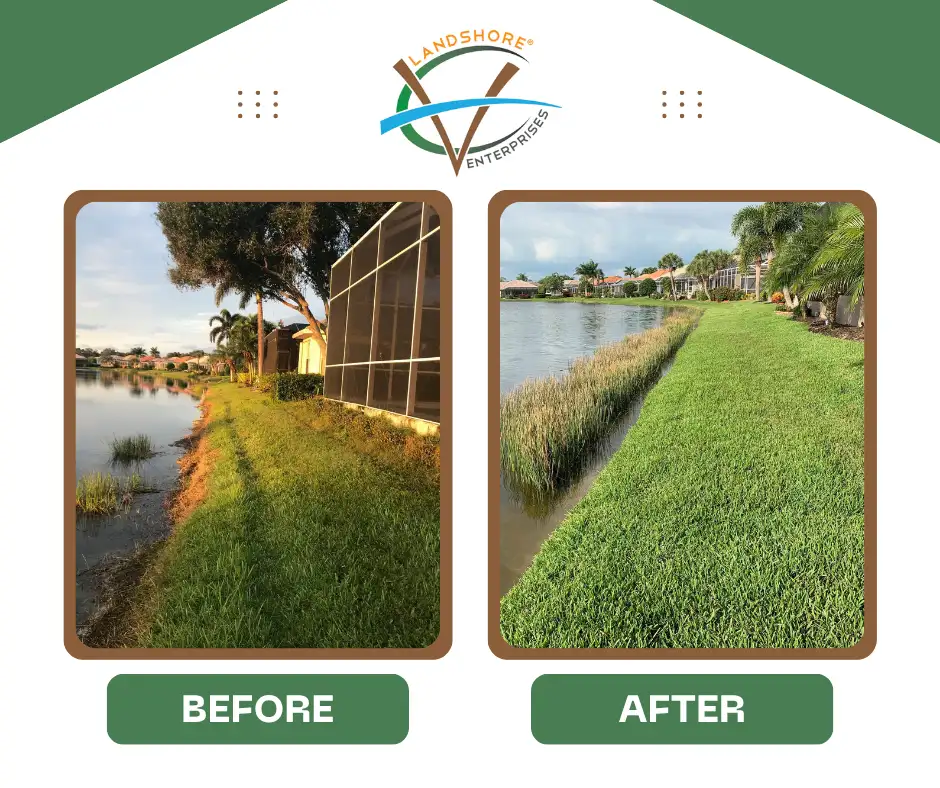
1. Shoreline Erosion
Shoreline erosion is one of the most visible pond maintenance concerns.
Warning signs include:
- Exposed roots
- Bare soil along the bank
- Undercutting at the waterline
- Slumping or collapsing slopes
- Loss of turf near the pond edge
- Sediment washing into the pond
Erosion can be caused by wave action, fluctuating water levels, poor vegetation, stormwater runoff, animal activity, or aging stabilization systems.
If erosion is ignored, it can threaten sidewalks, fences, utilities, landscaping, roads, cart paths, and nearby structures.
Helpful resource: UF/IFAS: Prevent Erosion in Stormwater Ponds Naturally with Plants
2. Sediment Accumulation
Stormwater ponds are designed to capture sediment. Over time, that sediment builds up.
Signs of excessive sediment include:
- Shallow pond edges
- Mud flats during dry periods
- Increased aquatic weed growth
- Reduced water depth
- Murky water after rainfall
- Reduced stormwater storage capacity
When sediment accumulation becomes significant, dredging may be needed to restore the pond’s capacity and function.
EPA wet pond guidance identifies sediment removal, vegetation maintenance, outlet inspection, and debris removal as common maintenance considerations for stormwater ponds.
Helpful resource: EPA NPDES Wet Ponds BMP Fact Sheet
3. Blocked Pipes and Control Structures
A stormwater pond is not just a hole filled with water. It is part of a larger drainage system.
Important components may include:
- Inlet pipes
- Outfall pipes
- Control structures
- Weirs
- Catch basins
- Swales
- Drainage ditches
- Culverts
When these elements become blocked, damaged, or restricted, the pond may not perform as designed.
SFWMD recommends checking community retention ponds or lakes for obstructed pipes and keeping drainage gates, ditches, and swales clear of debris before storm events.
Helpful resource: SFWMD Storm Readiness Guidance
4. Excessive Aquatic Vegetation
Not all aquatic vegetation is bad.
A healthy littoral zone can help stabilize shorelines, improve habitat, reduce wave energy, and support water quality. However, excessive or unmanaged vegetation can become a maintenance issue.
Potential warning signs include:
- Dense vegetation covering large portions of the pond
- Cattails spreading aggressively
- Floating vegetation mats
- Algae blooms
- Vegetation blocking structures or outfalls
- Loss of open water
The goal is not necessarily to eliminate all vegetation. The goal is to manage the right vegetation in the right location.
Helpful resource: UF/IFAS: Improving the Water Quality in Your Pond
5. Poorly Maintained Littoral Zones
The littoral zone is the shallow area near the pond edge where aquatic and wetland plants can grow.
For HOAs, littoral zones can provide both functional and aesthetic benefits when properly designed and maintained.
Benefits may include:
- Shoreline stabilization
- Wave energy reduction
- Pollutant uptake
- Wildlife habitat
- Reduced erosion
- Improved pond appearance
However, a littoral zone needs a maintenance plan. Without one, beneficial plantings can be overtaken by nuisance species, damaged by mowing, or removed by residents who do not understand their purpose.
Helpful resource: UF/IFAS: Littoral Vegetation for Stormwater Pond Shorelines
6. Swale and Drainage Problems
Swales are shallow vegetated drainage areas designed to move and treat stormwater.
Common swale problems include:
- Standing water
- Sediment buildup
- Rutting from vehicles
- Improper mowing
- Poor grading
- Blocked flow paths
- Excessive vegetation or debris
- Homeowner modifications that interfere with drainage
When swales no longer function properly, water may pond in yards, flow toward structures, or bypass intended treatment areas.
Helpful resource: EPA Vegetated Swales Fact Sheet
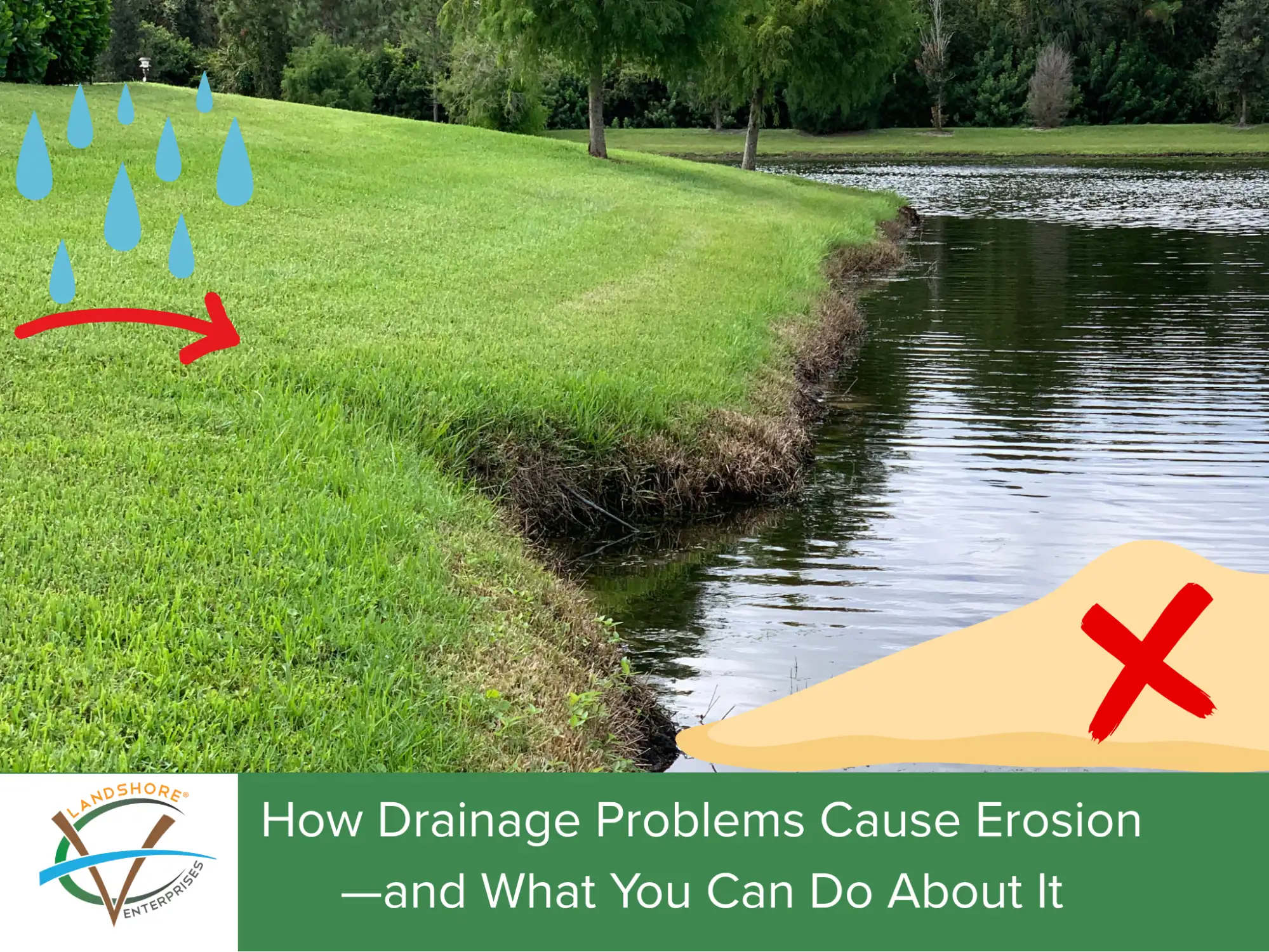
Further reading: How Drainage Problems Cause Erosion—and What You Can Do About It
7. Sinkholes, Depressions, and Settlement
Depressions near ponds, pipes, or drainage structures should be taken seriously.
Possible causes include:
- Failing pipes
- Soil piping
- Poor compaction
- Washouts
- Burrowing animals
- Structural deterioration
- Voids forming around drainage infrastructure
Small depressions can become larger failures if water continues moving through the soil.
When settlement appears near a pond or stormwater structure, a professional evaluation can help determine whether the issue is minor surface settlement or a sign of a deeper infrastructure problem.
How Often Should an HOA Inspect Its Pond?
Inspection frequency depends on the size of the community, age of the stormwater system, permit requirements, and site conditions.
As a general guideline, communities should consider:
Monthly or Routine Visual Checks
Look for:
- Blocked pipes
- Trash or debris
- Erosion
- Unusual water levels
- Damaged structures
- Standing water in swales
- New depressions or sinkholes
After Major Storm Events
Inspect:
- Control structures
- Outfall pipes
- Emergency overflow areas
- Shoreline erosion
- Drainage paths
- Sediment movement
- Debris buildup
Annual Professional Review
Consider an annual inspection to document:
- Shoreline conditions
- Sediment concerns
- Drainage performance
- Structural issues
- Maintenance priorities
- Budget recommendations
Periodic Survey or Bathymetric Review
A visual inspection cannot always determine how much sediment has accumulated below the water surface. Bathymetric surveys can help measure pond depth and sediment accumulation, especially when planning for dredging.
What Should Be Included in an HOA Pond Maintenance Plan?
A good pond maintenance plan should be practical, repeatable, and easy for boards and managers to use.
It should include:
- A map of all ponds, lakes, swales, inlets, outfalls, and control structures
- A list of maintenance responsibilities
- Inspection frequency
- Photo documentation requirements
- Debris removal procedures
- Vegetation management guidelines
- Shoreline repair priorities
- Sediment monitoring schedule
- Permit and compliance information
- Budget planning recommendations
- Emergency response procedures after major storms
EPA stormwater maintenance guidance recommends developing an operation and maintenance plan or manual that includes stormwater controls, maintenance schedules, and inspection forms.
Helpful resource: EPA Stormwater Maintenance
Budgeting for Pond and Shoreline Maintenance
Many communities do not budget adequately for stormwater assets because pond problems develop slowly.
A well-prepared budget may include:
- Annual inspection allowance
- Routine debris and vegetation maintenance
- Minor shoreline repairs
- Drainage structure cleaning
- Emergency repair allowance
- Periodic bathymetric survey
- Long-term dredging reserve
- Capital reserve for shoreline stabilization
For communities with multiple ponds or aging infrastructure, a stormwater asset assessment can help prioritize work and support reserve planning.
Do HOAs Need Permits for Pond Maintenance?
Some routine maintenance activities may not require a major permit, but other work may require approval depending on the pond, location, scope, and regulatory history.
Activities that may trigger permitting review include:
- Dredging
- Filling
- Expanding or modifying ponds
- Altering control structures
- Working near wetlands or surface waters
- Regrading shorelines
- Installing certain stabilization systems
- Discharging dredged material or turbid water
Florida’s Environmental Resource Permit program addresses stormwater management systems and activities involving wetlands and other surface waters. Before beginning significant pond, shoreline, or drainage work, HOAs should verify whether permits or exemptions apply.
Helpful resources:
Why Waiting Usually Costs More
Most pond and shoreline problems do not improve on their own.
Minor erosion can become a slope failure. A partially blocked pipe can contribute to flooding. Sediment accumulation can reduce pond capacity. A small depression can reveal a larger underground issue.
The earlier a community identifies a problem, the more repair options it usually has.
Waiting often leads to:
- Higher construction costs
- Fewer repair options
- More complicated permitting
- Resident complaints
- Emergency decision-making
- Greater risk to nearby infrastructure
Proactive maintenance gives HOA boards more control over timing, budget, and project planning.
Practical Pond Maintenance Checklist for HOA Boards
HOA boards and property managers should periodically ask:
- Are our ponds part of a permitted stormwater system?
- Do we have the original plans or as-built drawings?
- Who is responsible for maintaining each pond, swale, pipe, and structure?
- Are our control structures clear of debris?
- Are any shorelines eroding?
- Are there signs of sediment accumulation?
- Are swales draining properly?
- Are residents reporting standing water or flooding?
- Are there sinkholes or depressions near drainage structures?
- Do we have a budget for inspections, maintenance, and future dredging?
- Do we need a professional assessment before the next budget cycle?
If the board cannot answer these questions, it may be time for a stormwater system review.
How Landshore Enterprises Helps Florida HOAs
Landshore Enterprises helps homeowners associations, condominium associations, community development districts, property managers, golf courses, and public agencies evaluate and restore stormwater ponds, shorelines, and drainage infrastructure throughout Florida.
Our services include:
- Stormwater pond inspections
- Shoreline assessments
- Bathymetric surveys
- Engineering support
- Dredging and dewatering
- Shoreline stabilization
- Drainage improvements
- Control structure repair
- Permit coordination
- Construction services
Whether your community is dealing with shoreline erosion, sediment accumulation, drainage problems, or aging stormwater infrastructure, Landshore can help identify practical solutions and develop a plan that fits your property, budget, and long-term goals.
Need Help Evaluating Your Community’s Pond?
If your HOA is unsure whether a pond needs maintenance, dredging, shoreline repair, or drainage improvements, Landshore Enterprises can help.
A professional evaluation can help your board understand existing conditions, prioritize repairs, plan budgets, and avoid unnecessary emergency work.