
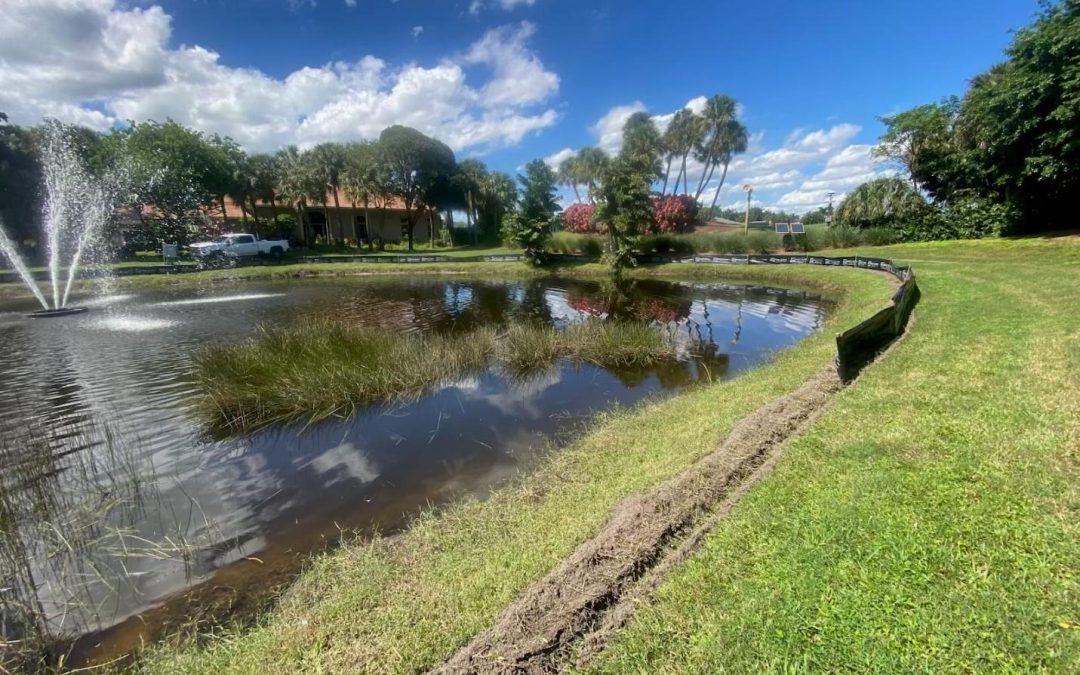
One of the most common questions we receive from homeowners associations, condominium associations, community development districts, golf courses, and property managers is:
“How much does pond dredging cost?”
The answer depends on several factors, including the amount of sediment present, access to the site, disposal requirements, permitting considerations, and the selected dredging method.
In this guide, we’ll break down the primary factors that influence dredging costs and explain what property owners should consider when planning a pond restoration project.
Why Dredging Is Necessary
Stormwater ponds are designed to collect sediment and pollutants before they enter downstream waterways. Over time, sediment accumulates within the pond and gradually reduces storage capacity.
Common signs a pond may require dredging include:
- Excessive aquatic vegetation
- Reduced water depth
- Murky water
- Increased flooding complaints
- Visible sediment deposits
- Reduced stormwater storage capacity
When these conditions become severe, dredging may be necessary to restore the pond’s intended function.
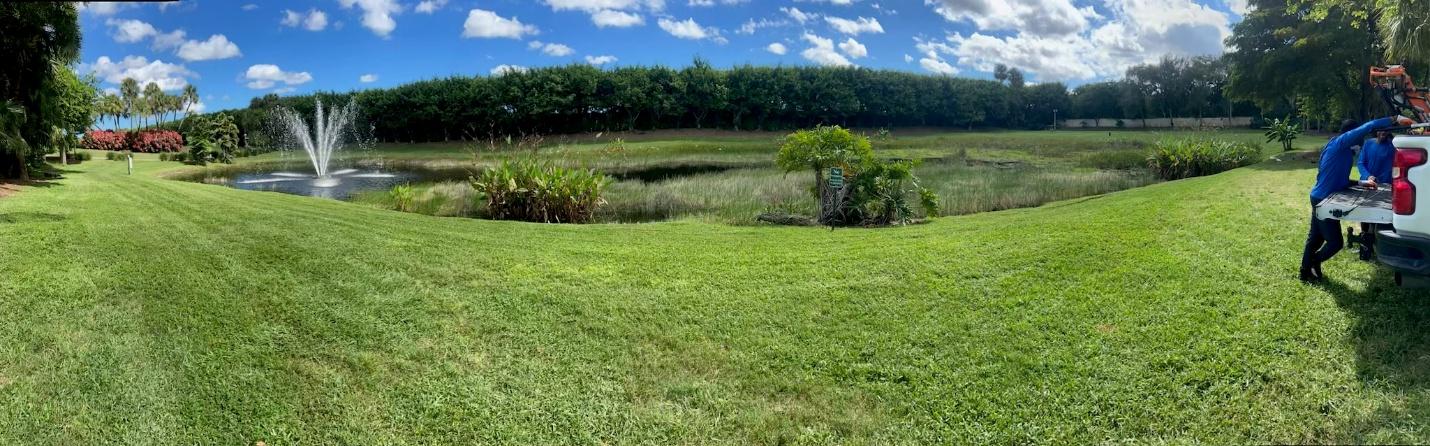
Before dredging activities, shallow pond filled in with sediment, causing excess aquatic vegetation.
Hydraulic Dredging vs Mechanical Dredging
There are two primary dredging methods used throughout Florida.
Hydraulic Dredging
Hydraulic dredging uses pumps and pipelines to transport sediment from the pond to a dewatering area.
Advantages include:
- Minimal disturbance to surrounding areas
- Reduced impact on existing shorelines
- Ability to dredge deeper areas
- Often preferred for larger projects
Mechanical Dredging
Mechanical dredging uses excavators, long-reach equipment, or draglines to remove sediment.
Advantages include:
- Effective for smaller ponds
- Suitable where access is available
- Lower mobilization costs for some projects
The best method depends on site conditions and project goals.
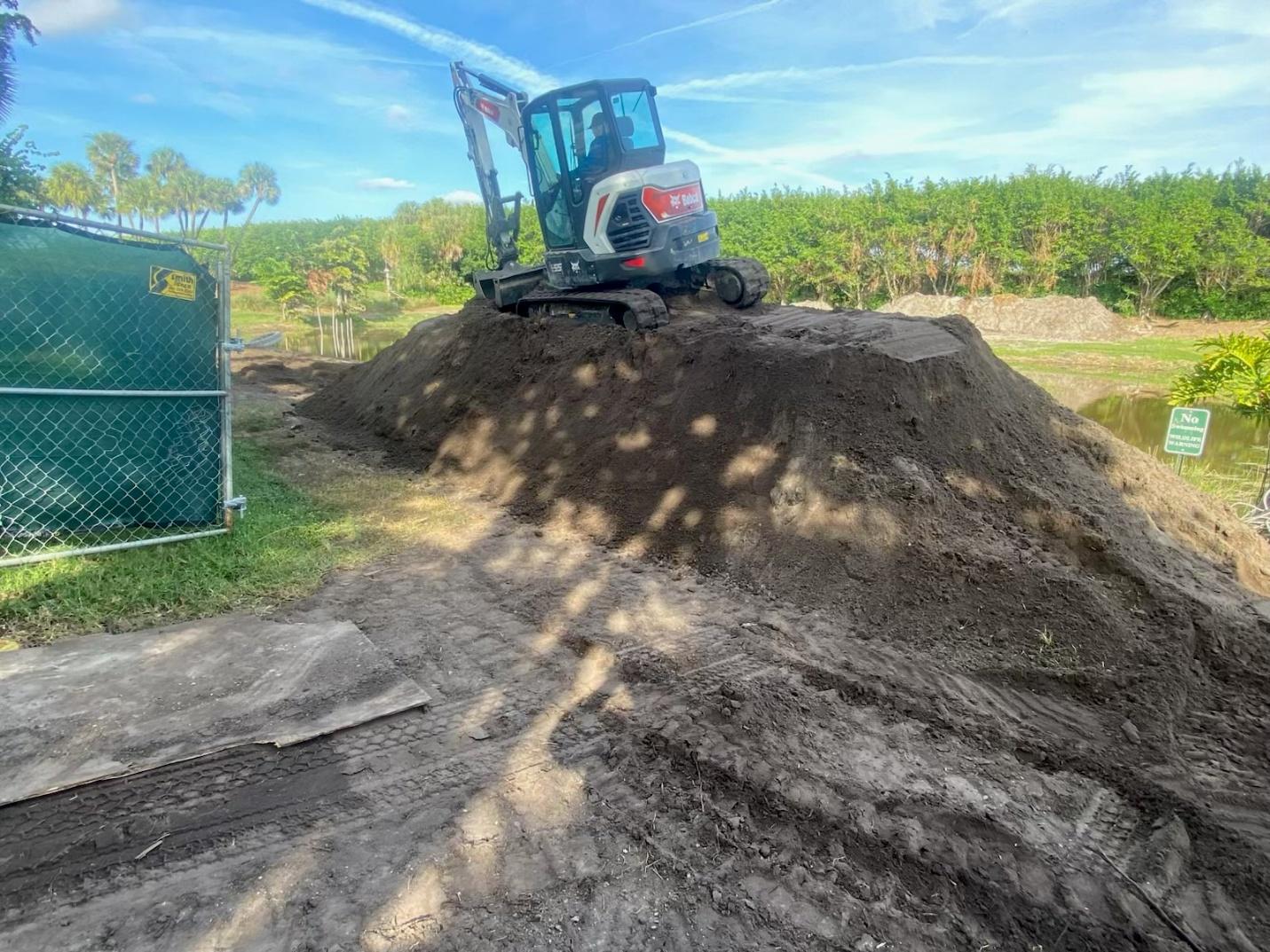
Dredge spoils being stockpiled, dewatered, and place for eventual repurposing.
Factors That Influence Cost
Several variables impact dredging costs.
Sediment Volume
The amount of material to be removed is typically the largest cost driver.
Disposal Requirements
Sediment may be:
- Dewatered and reused onsite
- Transported to an approved disposal facility
- Incorporated into approved site grading plans
Disposal logistics can significantly affect overall project costs.
Access Constraints
Limited access often increases equipment and labor requirements.
Permitting
Depending on the location and scope of work, permits may be required from local, state, or federal agencies.
Environmental Conditions
Wetlands, protected species, and water quality requirements can all influence project planning and cost.
Typical Cost Ranges
While every project is unique, Florida dredging projects commonly range from tens of thousands of dollars for smaller community ponds to several hundred thousand dollars for larger systems requiring significant sediment removal and disposal.
A professional survey and sediment assessment are typically the best way to establish an accurate budget.
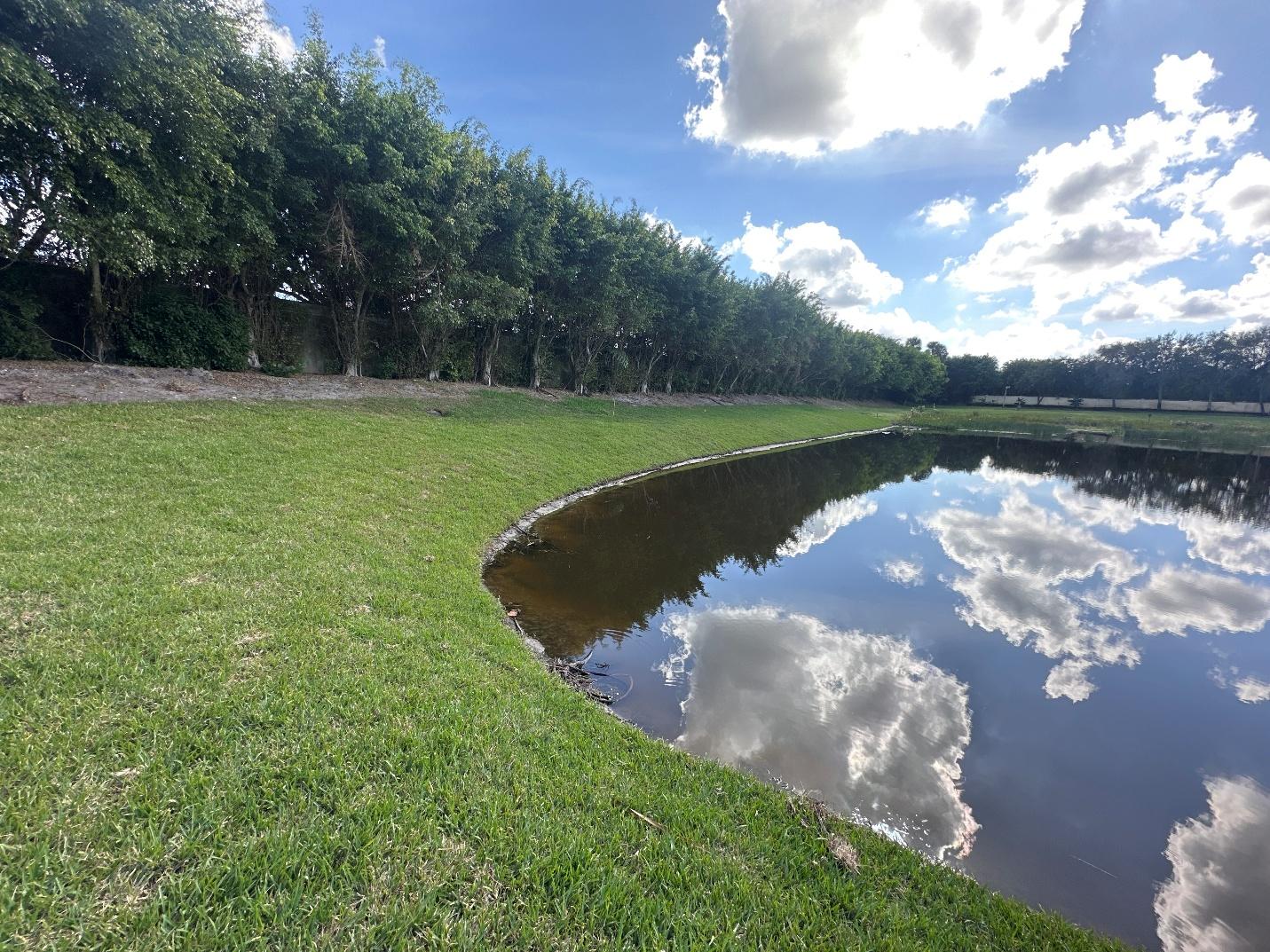
Dredging completed with good material repurposed onto the pond embankments and excess material hauled off-site.
Planning Ahead Saves Money
One of the most expensive mistakes communities make is waiting until a pond has lost substantial capacity before taking action.
Regular inspections, bathymetric surveys, and sediment monitoring can help communities identify maintenance needs early and budget appropriately.
Need Help Evaluating Your Pond?
Landshore Enterprises provides inspections, surveys, engineering, permitting assistance, and dredging services throughout Florida.
If you’re unsure whether your pond requires dredging, our team can help evaluate existing conditions and recommend practical next steps.